


Modernizing cooperative federalism to support responsible mining, energy reliability, and state leadership
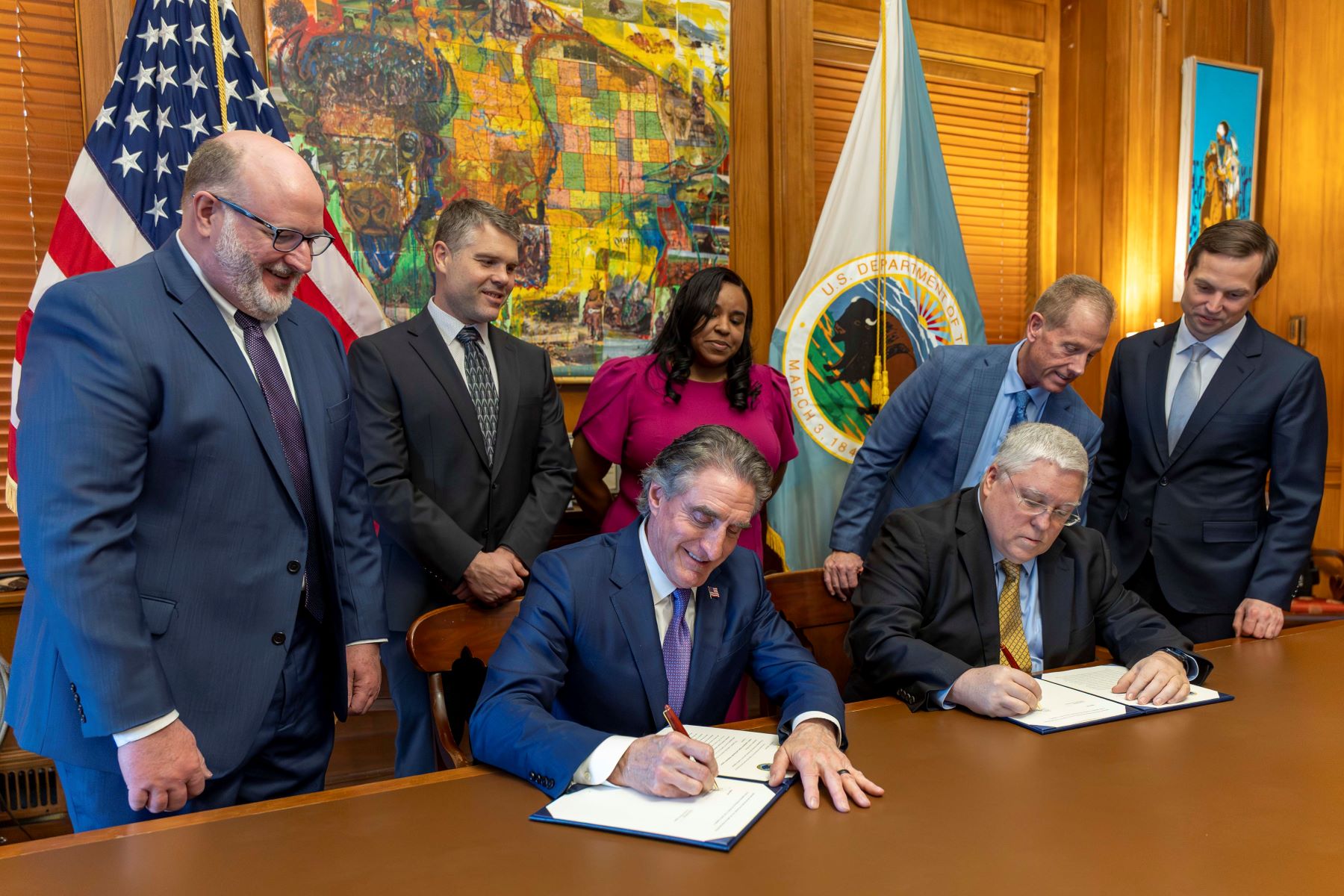
In a consequential ceremony at the Stewart Lee Udall Building, the U.S. Department of the Interior and the state of West Virginia signed an amended cooperative agreement that updates how surface coal mining and reclamation are regulated on federal lands within the state.
At its core, the agreement reflects cooperative federalism in action--clarifying roles, reducing duplication, and placing day-to-day regulatory decisions closer to the land and communities they affect, while preserving federal oversight required by law.
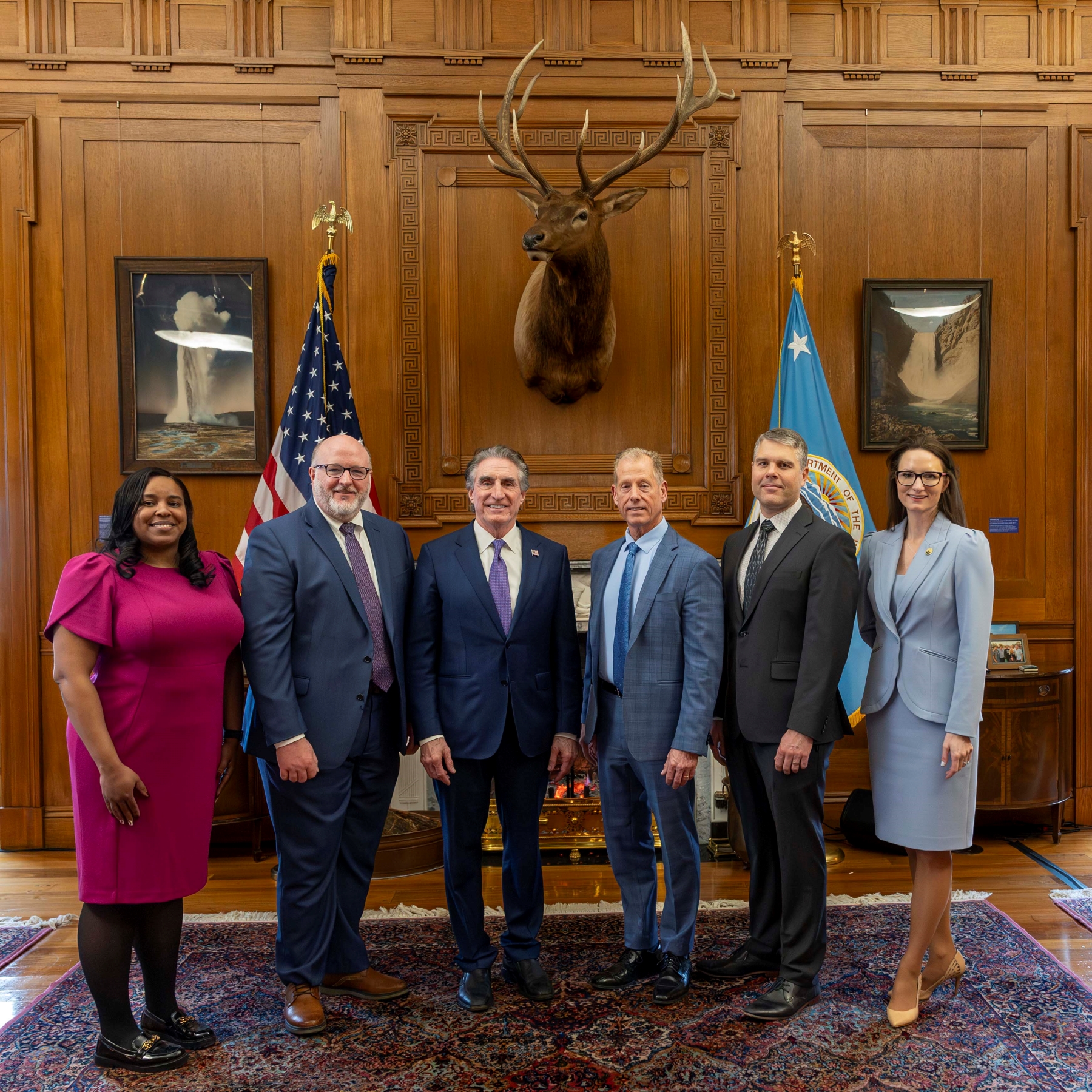
This action, signed by Secretary Burgum and Governor Morrisey, modernizes a framework first established more than forty years ago. It reflects how government should work by cutting unnecessary duplication, improving clarity, and ensuring decisions are made by those closest to the ground.
A Legacy Rooted in Cooperative Federalism
The partnership between Interior and West Virginia dates to the early implementation of the Surface Mining Control and Reclamation Act of 1977 (SMCRA). West Virginia’s regulatory program received conditional approval in 1981, followed by the original state-federal cooperative agreement in 1984, which formalized the state’s role as the primary regulator of surface coal mining and reclamation.
For decades, that framework governed mining on non-federal lands and certain federal land contexts. As regulatory responsibilities, land ownership patterns, and operational realities evolved, both the state and the Department recognized the need to update the agreement to reflect how coal mining is regulated today.
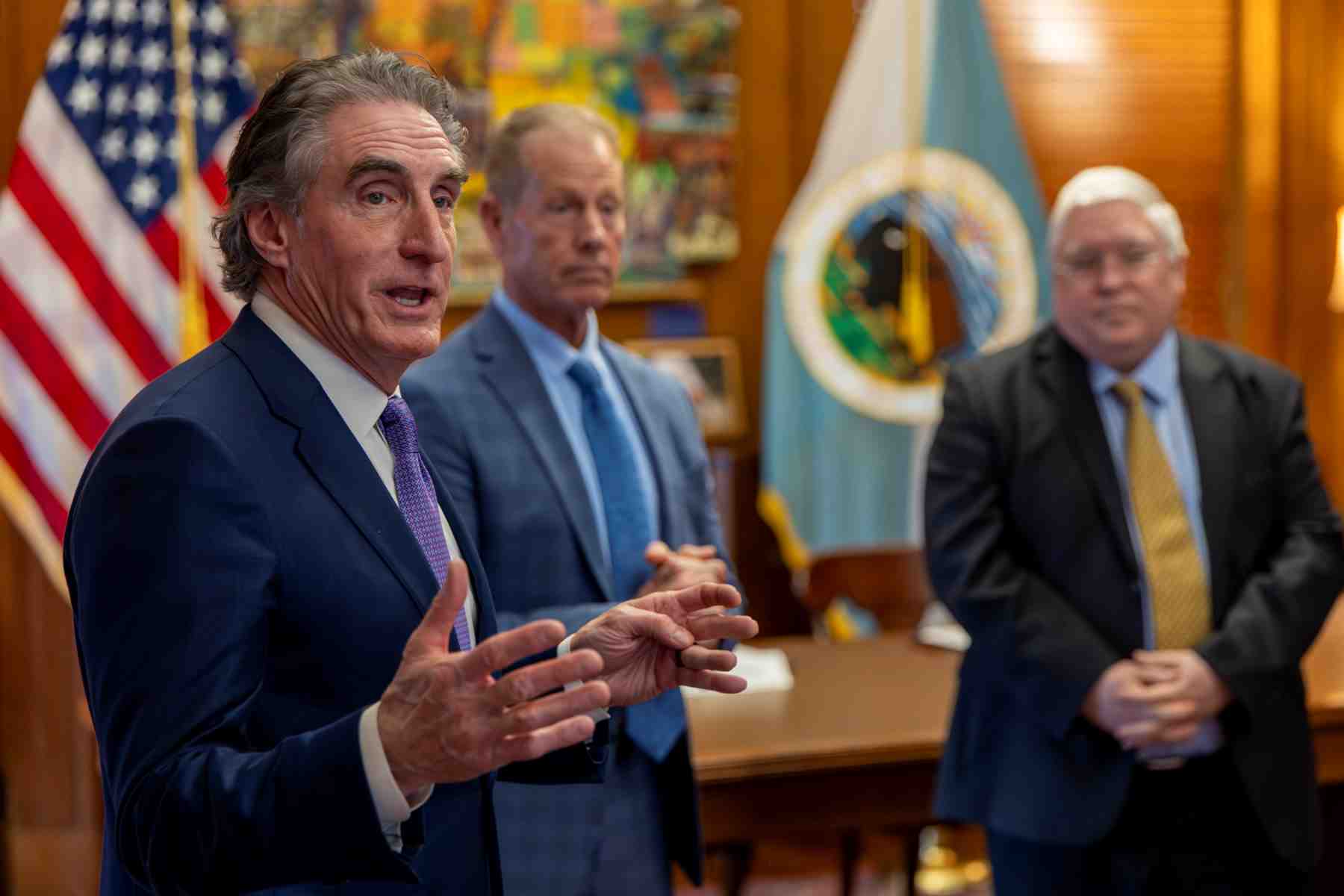
“This amendment—requested by West Virginia—recognizes the state’s demonstrated capacity and regulatory leadership in overseeing coal mining and reclamation,” said Lanny E. Erdos, Acting Assistant Secretary for Land and Minerals Management and Director of the Office of Surface Mining Reclamation and Enforcement. “It strengthens efficiency while preserving the Department of the Interior’s federal oversight responsibilities.”
A Modernized Cooperative Agreement
Under the amended agreement, West Virginia will regulate surface coal mining and reclamation activities involving both privately owned coal and federally owned coal leased by the Bureau of Land Management. The agreement primarily affects lands managed by the U.S. Army Corps of Engineers and clarifies long-standing regulation of privately owned coal beneath lands managed by the U.S. Forest Service.
Interior retains all non-delegable responsibilities, including environmental review under NEPA and mining plan approvals under the Mineral Leasing Act. OSMRE continues its oversight role to ensure full compliance with SMCRA and the cooperative agreement.
“States are best positioned to address on-the-ground mining conditions,” Erdos said. “This agreement reduces inefficiencies, supports timely permitting, and ensures reclamation is carried out effectively and responsibly.”
Energy Reliability, Jobs, and Regulatory Certainty
Coal remains a critical component of the nation’s reliable baseload power. Coal provides necessary support for grid stability and economic growth. By modernizing the cooperative agreement, Interior and West Virginia aim to provide greater regulatory certainty for operators and communities alike.
Baseload coal power and a reliable electric grid are vital to powering American homes, businesses, and critical infrastructure. In times of extreme weather, as demonstrated by recent winter storms, reliability matters.
The agreement also includes approximately $100,000 annually, subject to availability, to support West Virginia’s administration of its Federal Lands Program, which ensures the state has the capacity to carry out its expanded responsibilities.
A Model for State–Federal Partnership
Governor Patrick Morrisey joined Secretary Burgum for the ceremonial signing, underscoring a shared commitment to collaboration rather than conflict.
More than four decades after the original agreement was signed, West Virginia and the Department of the Interior are carrying that partnership forward. But today, the partnership is better prepared for today’s challenges and energy demands. As Interior continues to work with states across the country, the West Virginia agreement stands as a modern example of cooperative federalism. It is a partnership rooted in value for local expertise and support for a reliable American energy future.