


Kayenta, Ariz. – Deep within the desert of Arizona, within the Navajo and Hopi Nations, a once active coal mine is undergoing post mining reclamation. The nearly 65,000 acre mine complex consists of two separate mines, the Black Mesa and Kayenta Mines.

talks with representatives from
Peabody Western Coal Company
during a visit to the Kayenta Mine
Complex in Arizona.
Supplying the Mohave Generating Station, Black Mesa began production in 1970 until 2005 when the powerplant closed. Production at Kayenta Mine started in 1973, three years after mining commenced at the Black Mesa Mine. All coal from the Kayenta Mine was hauled to the Navajo Generating Station in Page, Arizona. Active mining operations concluded at Kayenta Mine in 2019 when the Navajo Generating Station closed.
With active mining no longer taking place within the KMC, Peabody Western Coal Company works to reclaim the mined land to productive post mining use. To personally observe the award-winning reclamation, Office of Surface Mining Reclamation and Enforcement Director Lanny E. Erdos recently visited the former mine site.
The tour included a wide breadth of reclamation stages being completed. From open pits actively being filled by larger-than-life tractor and bulldozers to vast fields covered in native brush indistinguishable from the undisturbed surrounding landscape.
In the sparsely populated and arid environment peppered with rock formations jetting up from the earth, livestock struggles to find nourishment in the over-grazed fields. Marie Shepherd, senior manager, environmental, PWCC, Kayenta Mine, described during the tour how PWCC has worked with the local community during the post-mining reclamation design to include grazing fields for the locals. Livestock from cattle to sheep can be seen enjoying the nutrients provided by the native plants flourishing within the reclaimed fields.
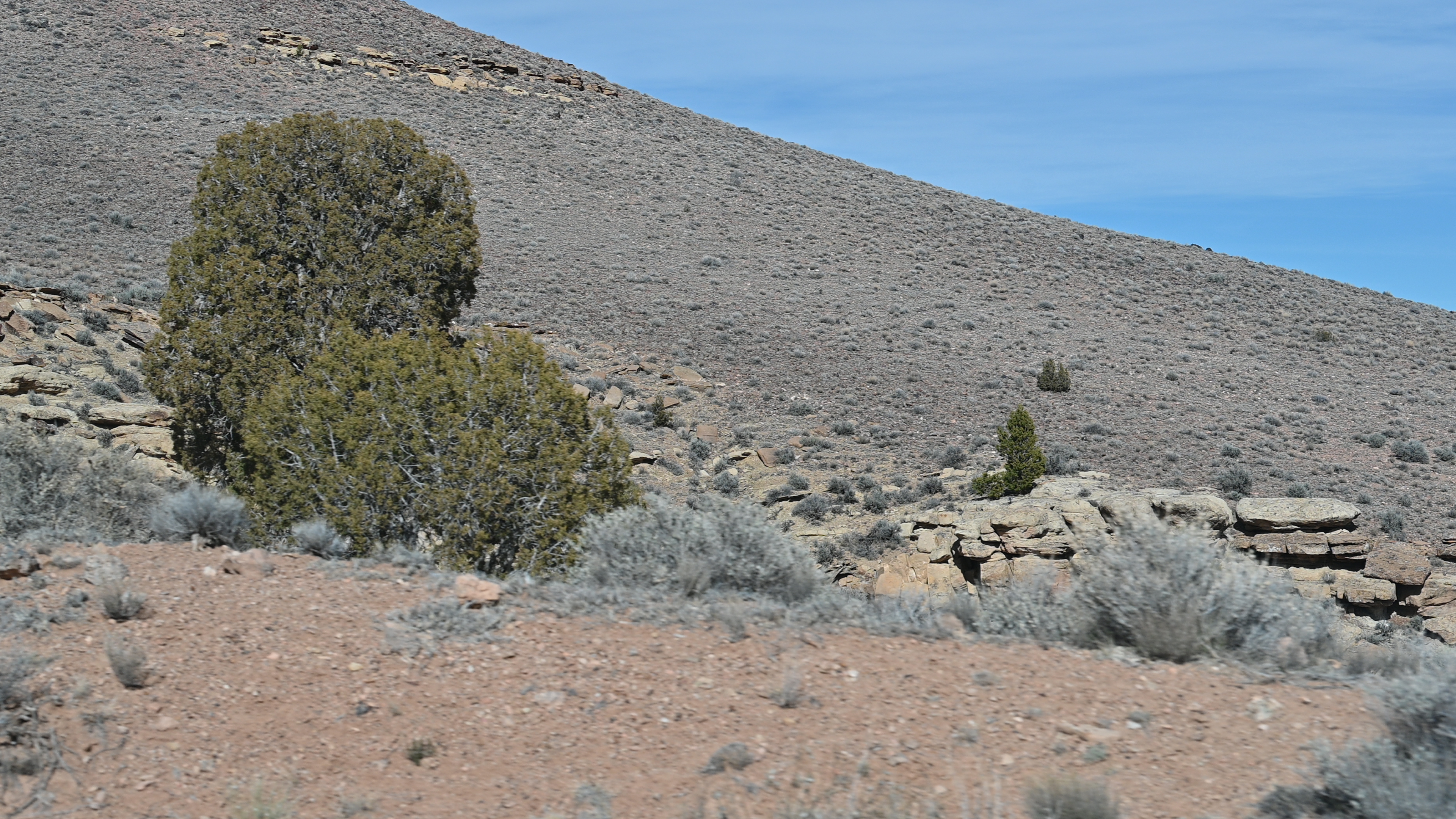
"critter condos", are placed throughout the
reclaimed areas to provide shelter to
small wildlife in the area.
Livestock are not the only ones enjoying the abundant grass and shrubs. Wildlife not only enjoy the same vegetation as the livestock but also nest and home in “critter condos”, specially placed rock formations throughout the landscape providing concealment and safety. Mychal Yellowman, OSM Indian Lands & Washington Federal Programs Manager and Tribal Liaison Officer, explained how the engineered rock formations provide a safer habitat for the wildlife over the old way of just placing larger rocks on the ground, which ultimately just became perches for raptors.
Shepherd continued her tour with highlights of the reclamation that included cultural areas seeded with specialized seed mix to incorporate Navajo and Hopi cultural values into the vegetation was applied to the reclamation. This mix included plants like Indian Ricegrass, Galleta, Antelope Bitterbrush, and Sagebrush medicine men and traditional herbalists are able to harvest for medicinal use.
“We restored our mother earth so that she can continue to provide for us, the Diné,” Shepherd said. “The land can be used for grazing. Medicine men and herbalist can use the cultural plants for medicinal purposes, and the wildlife can use the land for its habitat and forage as well.”
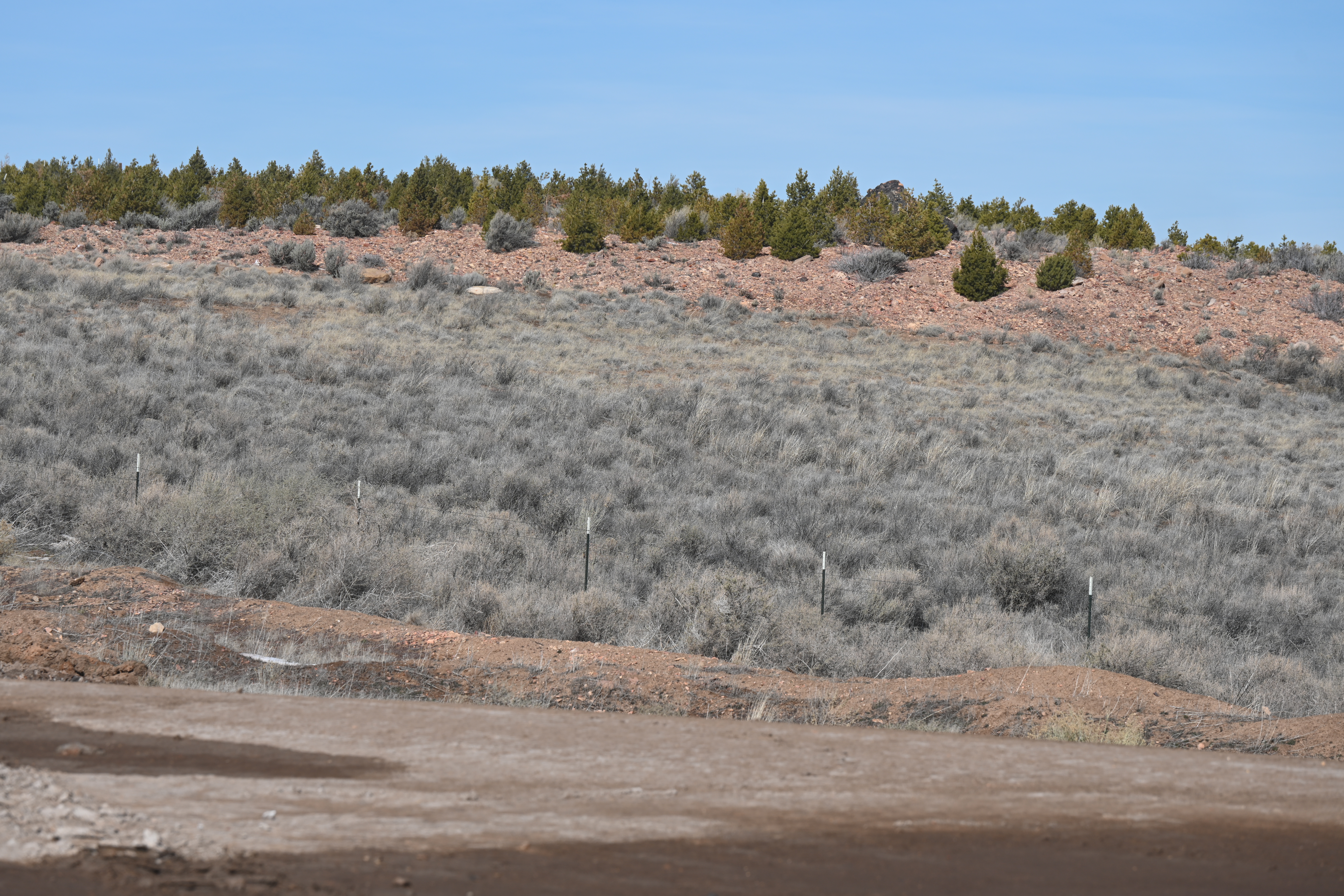
mature, they provide value when harvested by medicine men and traditional herbalists.
As the Director enjoyed seeing the reclamation innovation at work, Bryce West, the PWCC Vice President of Environmental and Land, explained how the mine operator worked with the local community, Navajo and Hopi Nation, and local non-governmental organizations to ensure the best possible outcome for everyone with an interest in the post-mining land uses.
In a dusty, equipment filled building, Director Erdos presented PWCC with the 2023 Excellence in Surface Coal Mining Reclamation National Award. With the reclamation crew responsible for the work on the ground present, there was a sense of pride filling the room. The setting seemed fitting for recognizing the hard work and dedication the crew put into the award-winning reclamation.
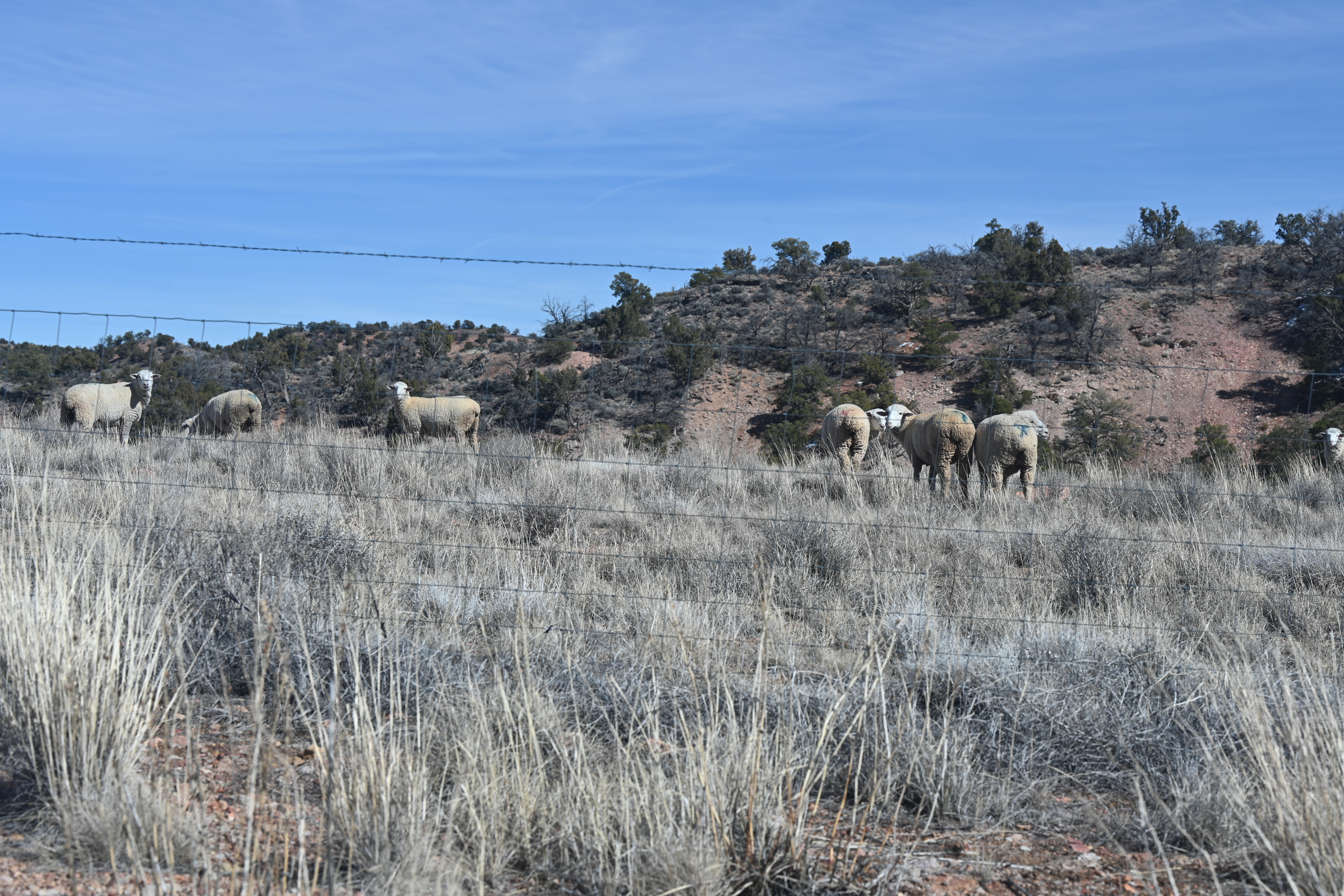
plants and shrubs provided by the
successful seeding during
reclamation of the Kayenta Mine.
“Today’s presentation corrects a past omission, and OSMRE is proud to formally recognize the outstanding reclamation work completed at the Kayenta Mine,” said Director Erdos. “This project represents the best of what coal mine reclamation can achieve in restoring land to safe, stable, and productive use while respecting local communities and environmental values. The Kayenta team’s work sets a high standard for the industry and exemplifies the full spirit of the Surface Mining Control and Reclamation Act."
With a background in mine reclamation Director Erdos knows the work involved in conducting reclamation of this scale and was continuously impressed throughout the tour with the ingenuity, innovation, and hard work that was put into the design and application of the Kayenta Mine reclamation.
“As a former state regulator and Director twice at OSM, I have been all over the country and looked at reclamation,” Director Erdos said speaking to the reclamation crew. “What I saw more than anything is the passion everyone has for all of the reclamation that you’ve done. What you’ve done is just amazing. Again, I have seen reclamation all over the country and this is as good as I’ve ever seen, so be very proud of what you’ve accomplished.”