


When people talk about innovation today, the conversation often starts with artificial intelligence, automation, or cutting-edge software. But across the United States, another form of innovation has been quietly reshaping landscapes, protecting communities, and securing long-term environmental outcomes, long before “tech” became a buzzword.
It’s happening in places most Americans never see: former mine sites being transformed into stable landforms, restored watersheds, and productive landscapes. This is innovation rooted not in novelty, but in responsibility, built on decades of engineering knowledge, regulatory foresight, and partnerships that put people and place first.
At the Office of Surface Mining Reclamation and Enforcement (OSMRE), innovation means ensuring that mining does not leave communities with lasting harm. It means designing systems that protect taxpayers, safeguard water and land, and return former mine sites to meaningful use. And it means creating a framework where local expertise and national standards work together.
Innovation Begins with Responsibility
One of the defining features of the American approach to mining and reclamation is accountability upfront.
Under the Surface Mining Control and Reclamation Act (SMCRA), coal operators must post full financial assurance for the complete cost of reclamation before mining begins. In many parts of the world, financial assurance accumulates gradually over time. In the United States, the full cost is secured at the outset.
That requirement changes everything. It ensures reclamation is not dependent on future market conditions. It protects communities from abandoned liabilities. And it embeds responsibility directly into the mining lifecycle.
Innovation doesn’t start with new tools; it starts with clear rules, strong oversight, and a system designed to deliver results no matter what.
A Modern Framework for Reclamation Innovation
Surface mining and reclamation today reflect decades of progress across interconnected disciplines. What ties them together is not a single technology, but an integrated approach, where engineering, science, monitoring, and community planning reinforce one another.
Extraction and Production Engineering
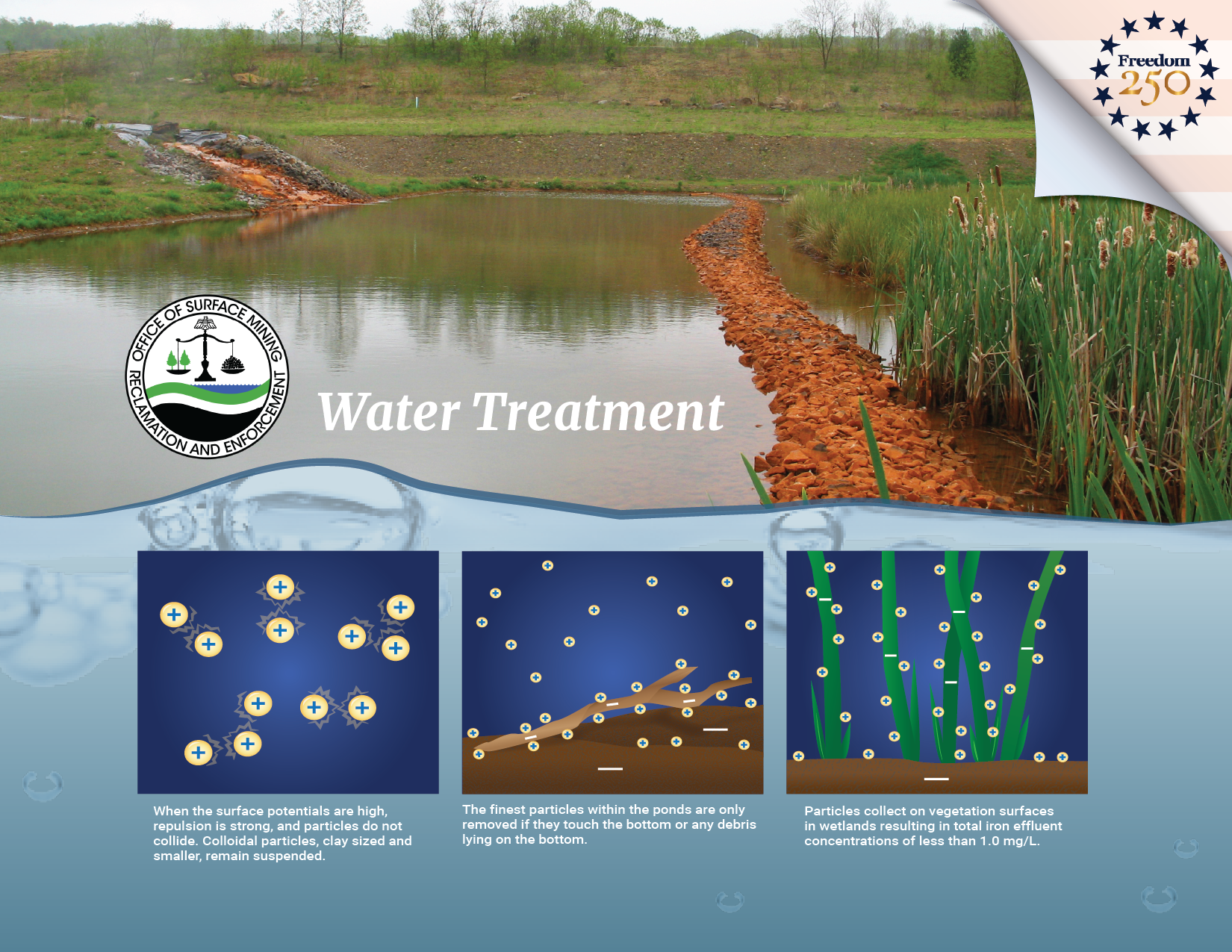
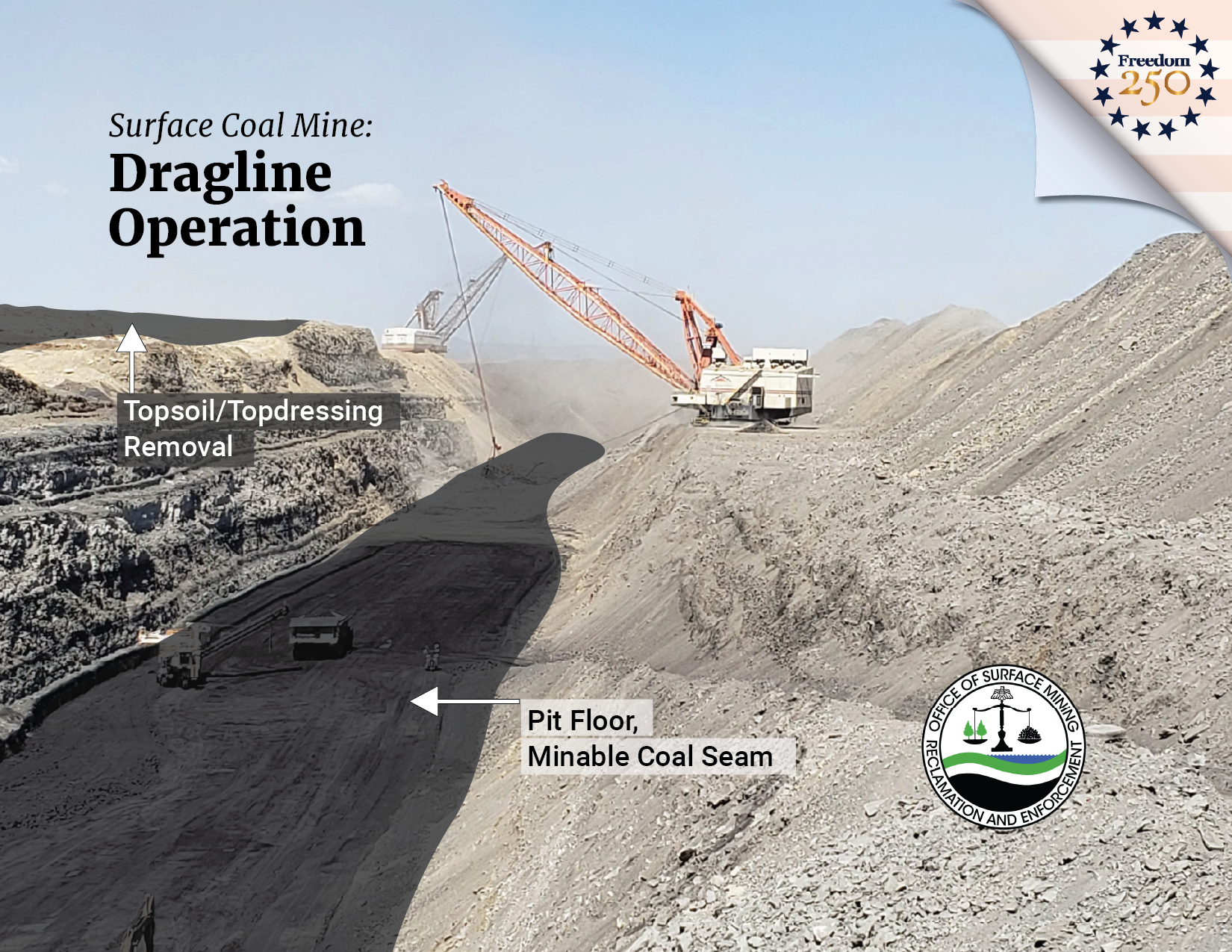
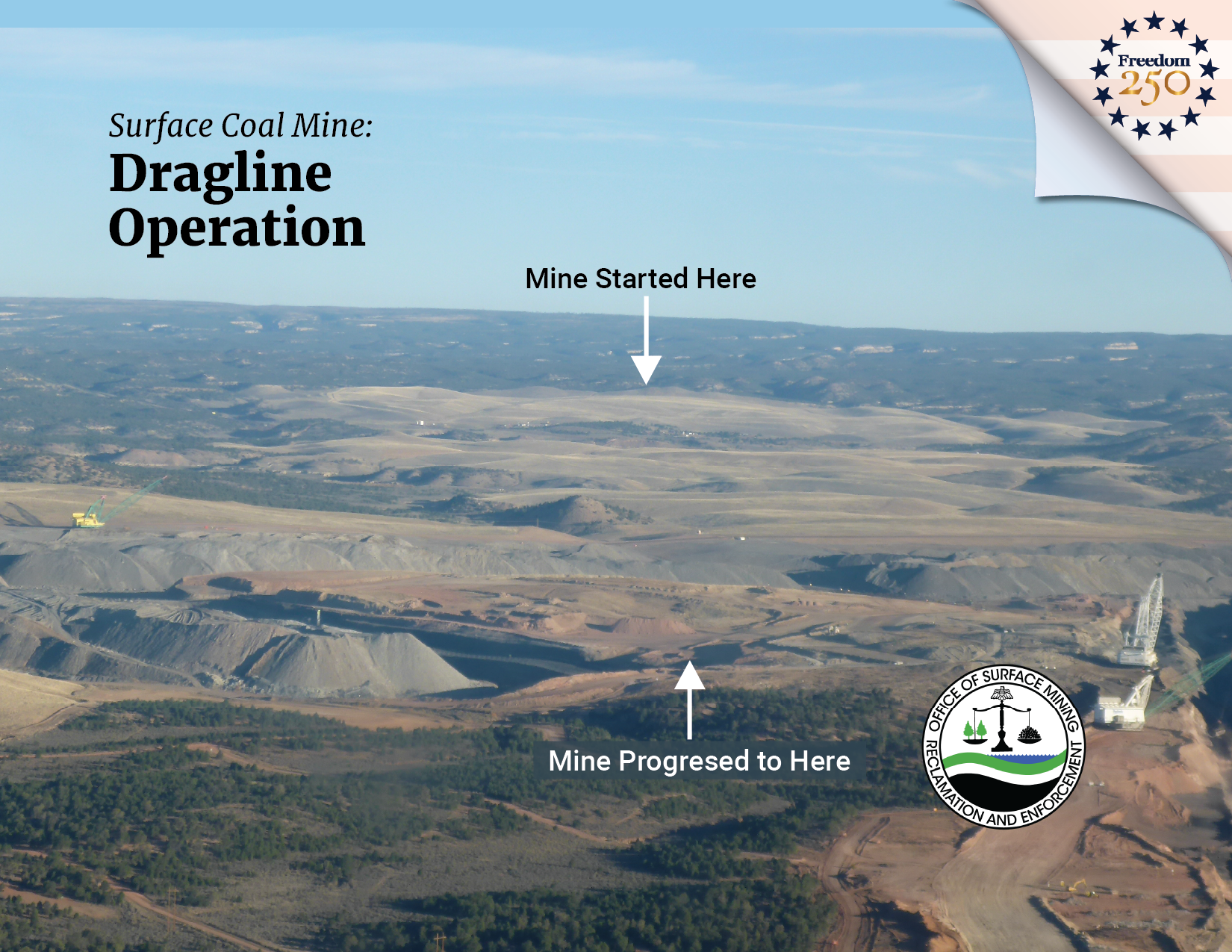
Modern surface mining techniques are designed with reclamation in mind from the beginning. Precision spoil placement, advanced dragline operations, and engineered highwall systems allow material to be moved and placed in ways that simplify later contour restoration and drainage control, reducing risk long before reclamation begins.
This is where planning for the end use of the land starts, not where it finishes.

Geotechnical Stabilization and Landform Engineering
Long-term stability depends on what happens beneath the surface. Controlled backfilling, slope optimization, impoundment stabilization, and ground movement monitoring are critical to preventing subsidence and ensuring reclaimed land remains safe decades after mining ends.
Engineered backfilling reduces void spaces, stabilizes slopes, and protects communities long after equipment leaves the site.
Hydrology, Water Treatment, and Resource Recovery
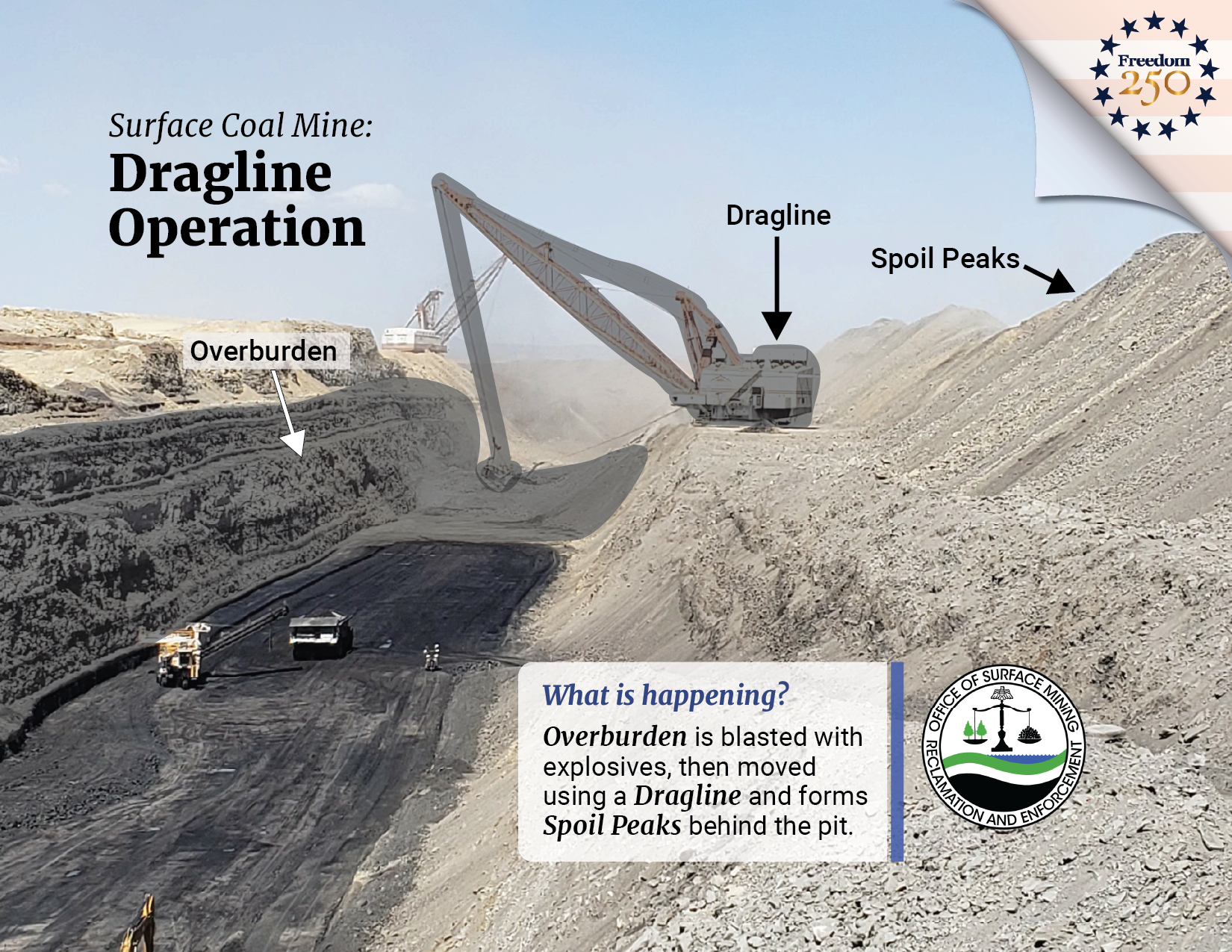
Protecting water resources is central to reclamation success. Acid mine drainage treatment systems, sediment controls, and water reuse strategies safeguard downstream watersheds while restoring ecological function.
Constructed wetlands, for example, can remove metals from mine-impacted water while simultaneously restoring habitat, demonstrating how engineered solutions and natural systems work best together.
Digital Monitoring and Remote Sensing
Today’s reclamation efforts are guided by data. LiDAR mapping, drone surveys, and in situ sensors provide real-time insight into vegetation growth, slope stability, and water chemistry, allowing teams to intervene early and adjust strategies before problems escalate.
Thermal imaging can even identify underground combustion before visible damage occurs, protecting communities from hazards that once went undetected.
“Remote sensing tools such as LiDAR, GIS, and GPS have become far more accurate and accessible in recent years. That means we can use them throughout the entire mining and reclamation process. The detailed baseline and pre‑mining surfaces they provide allow operators and regulators to design and build final landforms that are both cost‑efficient and require very little maintenance.” - Mychal Yellowman
 |
 |
Emergency and Hazard Mitigation Engineering
Some reclamation challenges require rapid, specialized response. Mine fire mitigation, oxygen restriction modeling, and emergency deployment protocols protect nearby communities when conditions change quickly.
Innovative approaches—such as high-expansion foam used to seal air pathways—can suppress underground fires without large-scale excavation, reducing risk while accelerating resolution.
Soil Science and Ecological Restoration
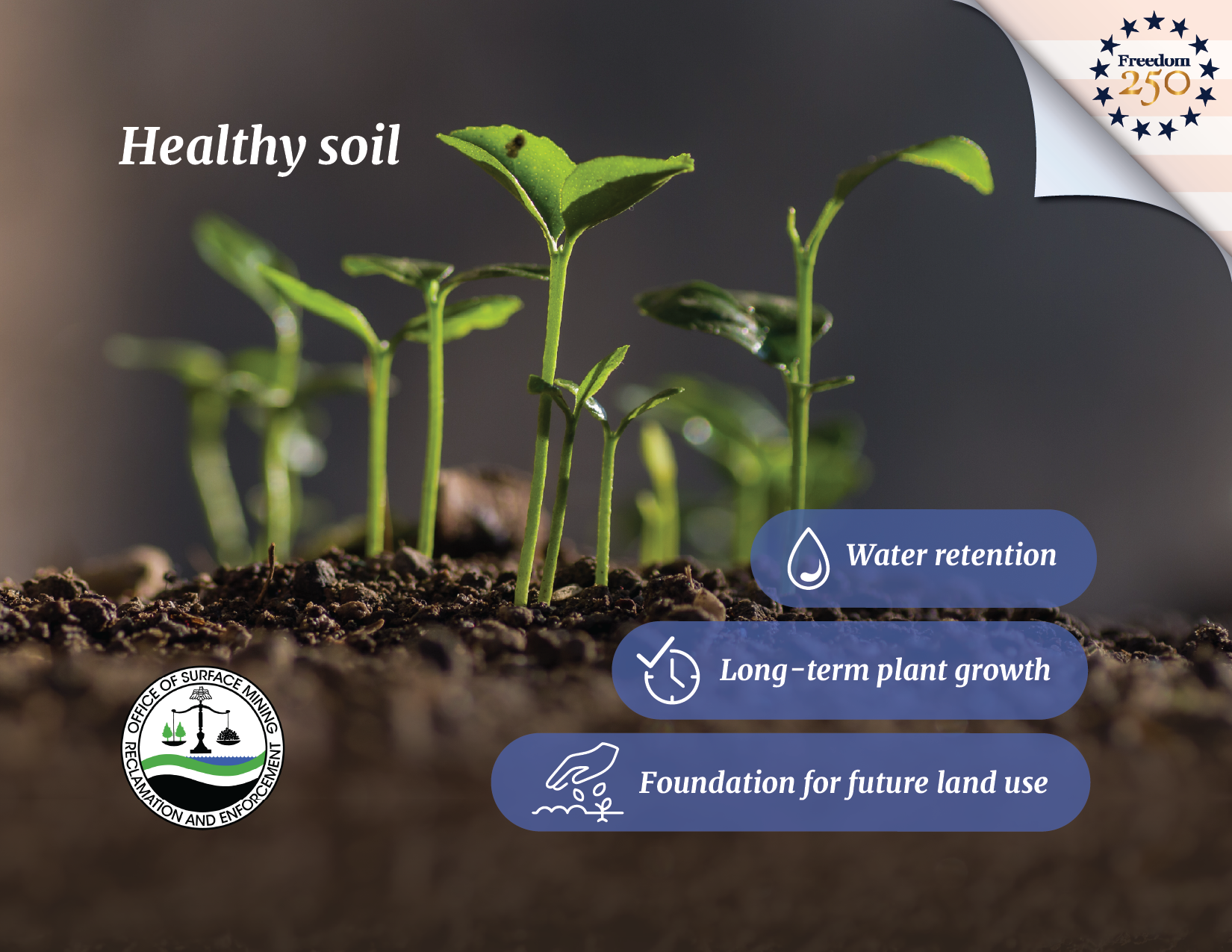
Reclamation today goes beyond stabilization. Through soil amendments, compost applications, and native species restoration, former mine lands are returning to functional ecosystems.
Healthy soil structure supports long-term plant growth, improves water retention, and lays the foundation for future land use: whether agricultural, ecological, or community-focused.
Climate Resilient Reclamation Engineering
As weather patterns change, reclamation designs must adapt. Stormwater redesign and watershed planning help reclaimed sites withstand more intense rainfall and hydrologic variability.
Upgraded sediment basins and drainage systems are being engineered to handle runoff volumes far beyond what older designs anticipated, ensuring resilience for generations to come.
Post Mining Land Use and Community Integration
The ultimate measure of reclamation success is what comes next. Across the country, reclaimed mine lands are supporting energy projects, agriculture, recreation, and redevelopment, while returning value to communities long after mining ends. This is where engineering meets opportunity.
 |
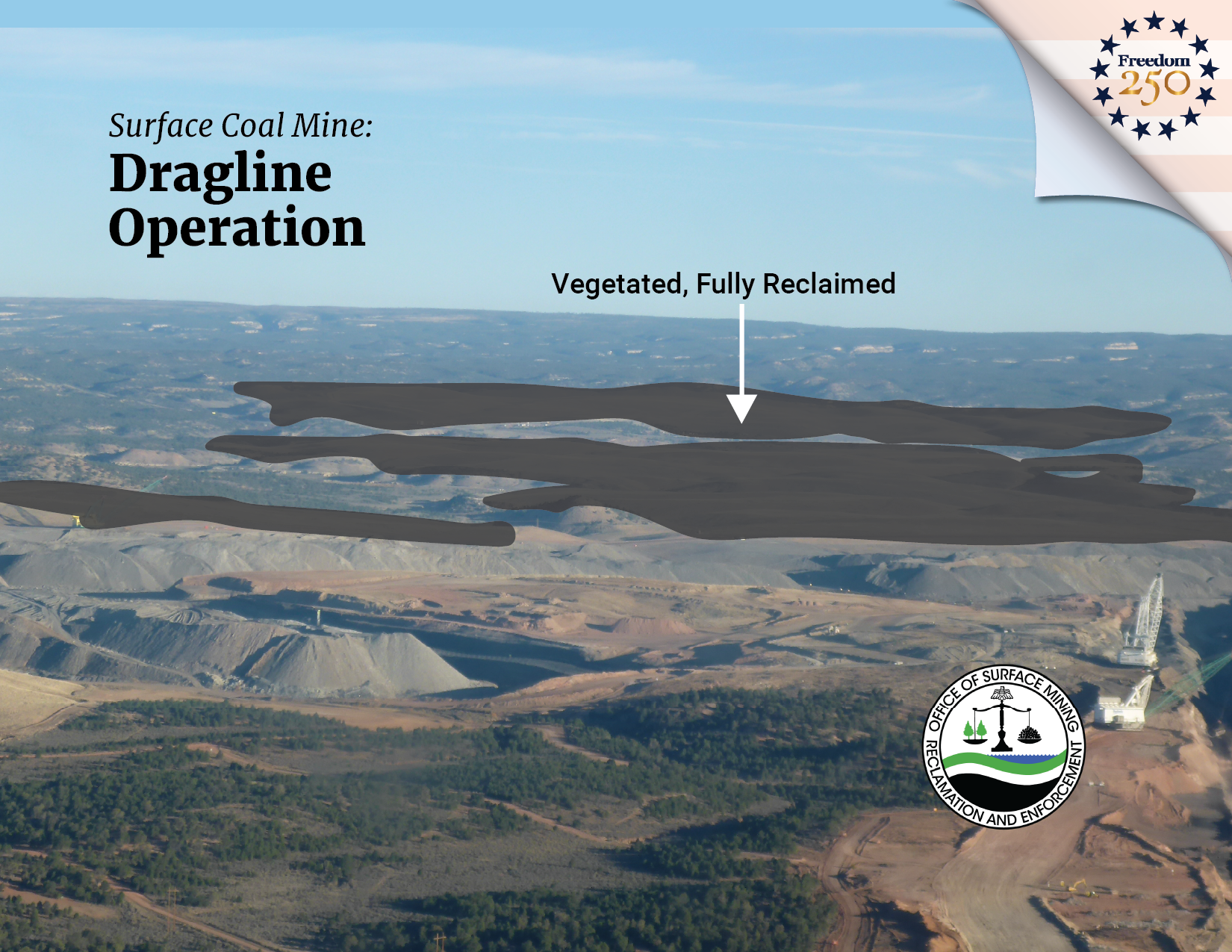 |
“Across all of our SMCRA partners, operators, regulators, and landowners, we share a common goal: to return disturbed land to equal or better beneficial uses. Years of working together have strengthened those relationships and shown how collaborative, innovative approaches in one place can help others across the country.” -Mychal Yellowman
Award Winning Projects in Action
The strength of this framework is visible in nationally recognized reclamation projects.
At the Kenilworth Mine Fire Project in Carbon County, Utah, an underground coal fire burned deep beneath steep terrain where traditional excavation was unsafe and impractical. Instead of relying on heavy equipment, teams implemented an oxygen restriction strategy, identifying and sealing air pathways feeding the fire.
A helicopter-supported crew deployed high-expansion fire-retardant foam to suppress combustion while minimizing surface disturbance. Within weeks, the hazard was abated, demonstrating how technical expertise, rapid coordination, and cooperative federalism can deliver results under pressure.
Other award-winning projects tell a similar story.
At the Cordero Rojo Mine, when coal production slowed to historic lows, Navajo Transitional Energy Company made a deliberate decision to keep workers employed and redirect efforts toward large-scale reclamation. Instead of downsizing, the company invested in its workforce and accelerated restoration, completing more than a thousand acres of regrading, topsoil placement, and permanent seeding in a single year.
Those efforts strengthened both the landscape and the local workforce, proving that stewardship and economic stability can advance together.
Cooperative Federalism in Practice
American reclamation innovation is not driven by technology alone. It is driven by structure.
Through cooperative federalism, OSMRE provides funding, technical support, and oversight while states and tribes implement solutions grounded in local expertise. Clear roles and shared responsibility allow innovation to move faster and deliver better outcomes.
For more than four decades, this model has protected communities, restored land and water, and ensured accountability across the mining lifecycle.
As the nation looks toward the next 250 years, reclamation stands as a reminder that innovation doesn’t always look new. Sometimes, it looks like systems that work: quietly, effectively, and with lasting impact.