


AMDTreat

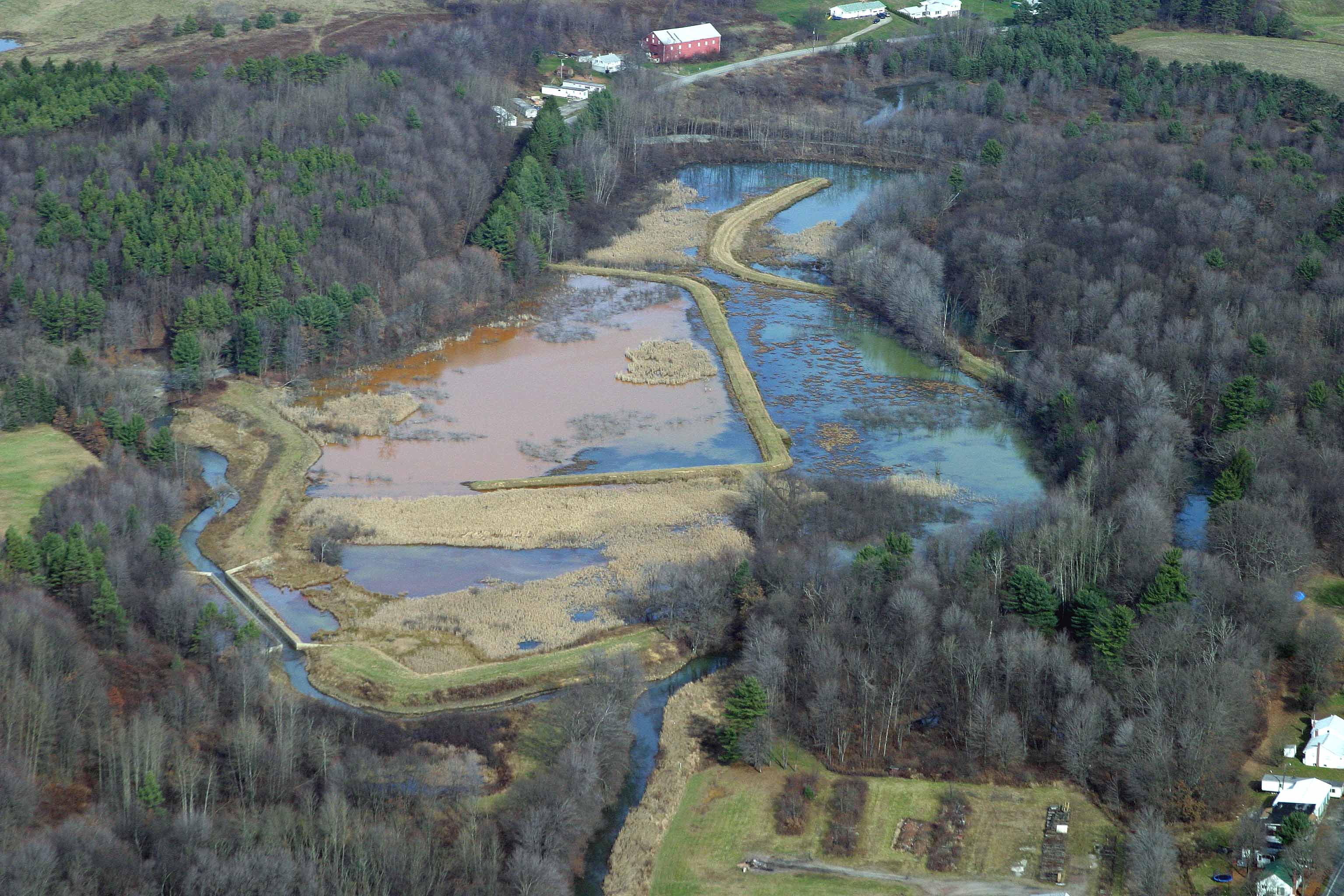
AMDTreat (Pronounced: am'-D-treat or A-M-D-treat.) is a computer application for estimating abatement costs for pollutional mine drainage, commonly referred to as Acid Mine Drainage (AMD). AMD is a long-term water pollution impact of mining in the coal fields of Appalachia and other areas of coal and metal mining.
Uses for AMDTreat
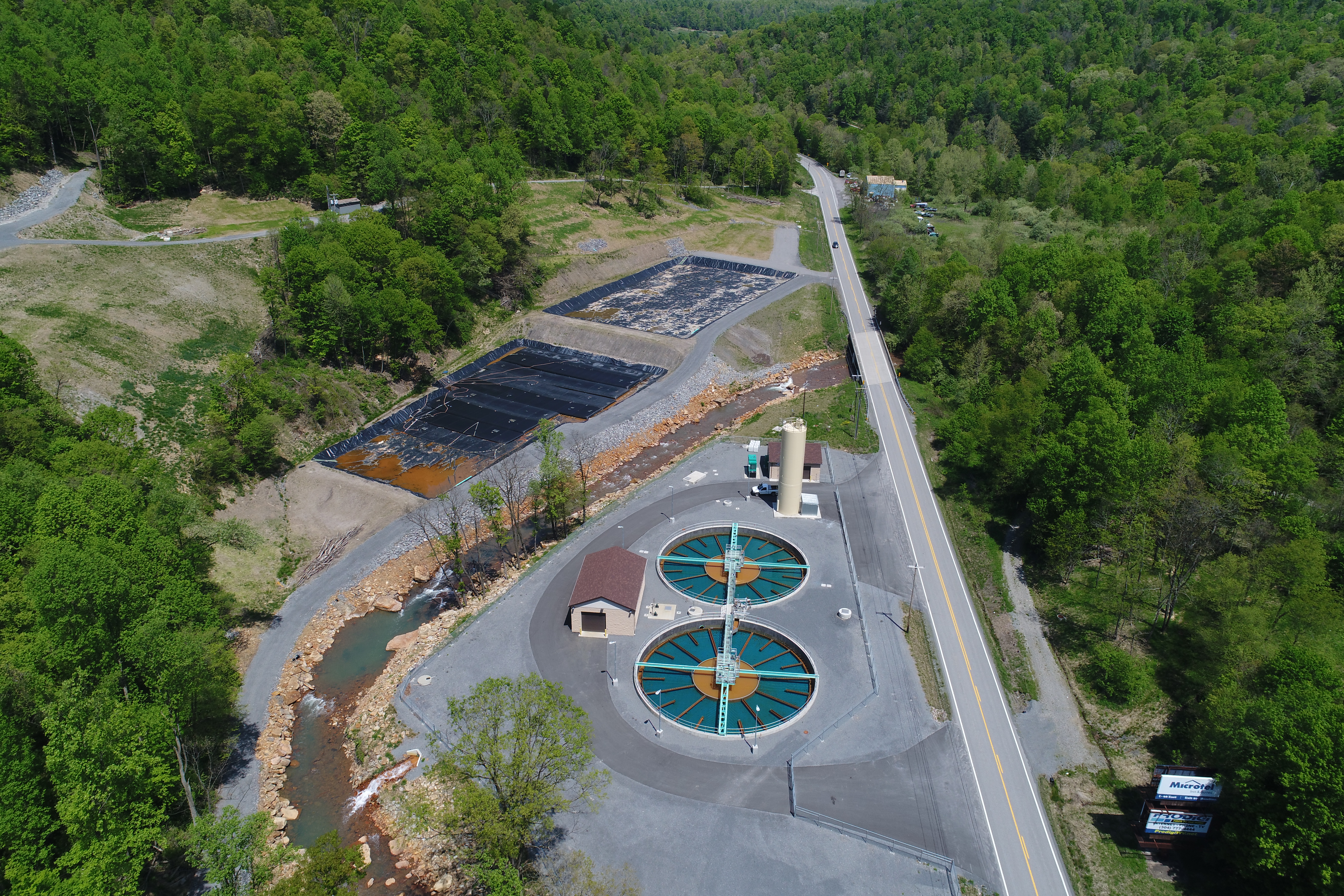
AMDTreat 6.1 can assist a user in estimating costs and sizing facilities to abate water pollution, using passive or chemical treatment technologies. Treatment systems, vertical flow ponds, anoxic limestone drains, anaerobic wetlands, bioreactors, manganese removal beds, caustic soda, hydrated lime, pebble quicklime, soda ash, permanganate, clarifiers, decarbonation, and other systems can be evaluated. Version 6.1 more accurately accounts for tertiary system requirements in the site development module and includes an updated bond and trust tool that accounts for system components with varying installation dates. Also provided is an updated version of the PHREEQ tool that is tailored to SMCRA users called "PHREEQ-N-AMDTreat".
The software provides user modifiable variables for excavation, construction, revegetation, piping, road construction, land acquisition, system maintenance, labor, water sampling, engineering, surveying, pumping, sludge removal, chemical consumption, and other functions. The default cost data can be modified to adjust for inflation or site-specific requirements.
AMDTreat also contains several financial and scientific tools to help select and plan treatment systems. These tools include a long-term financial forecasting module, an acidity calculator, a sulfate reduction calculator, a Langelier saturation index calculator, a mass-balance calculator, and iron oxidation tools.
Key Features of AMDTreat
- Comprehensive suite of solutions for estimating the size and cost of treatment systems
- Financial Forecasting tools to aid in calculating and evaluating long-term treatment costs
- Solutions available for various treatment scenarios including:
- Limestone-based Passive Systems, Alkaline Neutralization Active Treatment Systems, and Oxidation Active Treatment Systems - Provides the ability to compare different treatment systems
- Perform forward cost modeling (treatment system needs constructed)
- Performs reverse cost modeling (treatment system is constructed)
Help files are available as PDFs and appear in the order of use within the latest version of AMDTreat.
Passive Treatment Modules
Active Treatment Modules
- Caustic Soda
- Lime Products
- Hydrogen Peroxide
- Pre-Manufactured Hydrated Lime Slurry
- Permanganate
- Polymer
- Soda Ash
Ancillary Treatment Modules
Project Modules
This tutorial demonstrates the functionality and use of the new AMDTreat software.
Active Treatment Tutorials
The tutorials below demonstrate the functionality and use of the new AMDTreat 6.1 software by developing an example active treatment system.
Passive Treatment Tutorials
The tutorials demonstrate the functionality and use of the new AMDTreat 6.1 software by developing an example passive treatment system.
-
Image

To help you navigate through the latest version of AMDTreat. This playlist contains a collection of all of the available tutorials. Select a specific video or watch them in order on OSMRE's YouTube channel.
Tutorial Playlist
-
Image
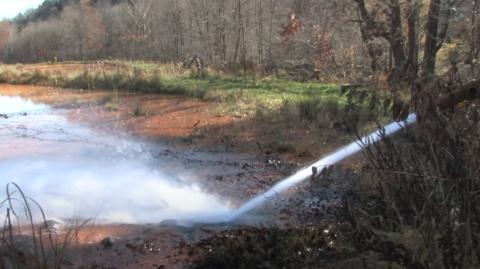
In November 2012, the Office of Surface Mining Reclamation and Enforcement (OSMRE) unveiled an enhanced version of its water treatment software package, AMDTreat, which incorporates a new module developed by the United States Geological Survey.
AMDTreat in Action
AMD Treat Download Instructions
AMDTreat version 6.1 Download
Last updated: June 2026
You can email amdtreat@osmre.gov with questions about using or installing AMDTreat
AMDTreat is a tool to assist users in the process of estimating the long-term cost of abatement of pollutional mine drainage discharges.
AMDTreat provides a detailed framework for calculating real-world site-specific treatment cost estimates.
AMDTreat users can model costs both forward (In advance of construction.) and reverse. (Determining the cost of a previously constructed system.)
AMDTreat is a powerful what-if modeling tool to help in determining the most cost effective long-term treatment type for a given discharge.
AMDTreat is a flexible tool for estimating costs where the user has full control over how and what elements are considered.
AMDTreat is not a design tool, it is a cost modeling tool.
Currently, there is no Cut and Paste function on any of the menus; however, you can cut and paste by blocking the desired text or number, then using Ctrl+x or Ctrl+c, for cut or copy, and Ctrl+ v for paste.
To save a project, select the AMDTreat icon in the upper left portion of the screen then select the Save menu item.
You will be prompted for a file name. By default, AMDTreat 6.1 saves your files into a folder c:/Users\"(your username on your computer)". If you prefer a different folder, specify that folder.
To open a previously saved AMDTreat 6.* file, select the AMDTreat icon in the upper left portion of the screen then select the Open menu item. Browse to the location of the file you want to open, select the file, and press the Open button.
If you have AMDTreat version 6.0 Beta installed on your computer, you must uninstall it in order to upgrade to a new version. Versions 5.* and below do not require removal. Once you have ensured that AMDTreat 6.0 Beta is uninstalled (or not installed in the first place), read and follow the download instructions on this page.
AMDTreat was developed cooperatively by OSMRE, the Pennsylvania Department of Environmental Protection (PADEP), U.S. Geological Survey (USGS), and the West Virginia Department of Environmental Protection (WVDEP).
The software application is a member of OSMRE's Technical Innovation and Professional Services (TIPS) suite of software.
Development Team Members (AMDTreat Version 6.1)
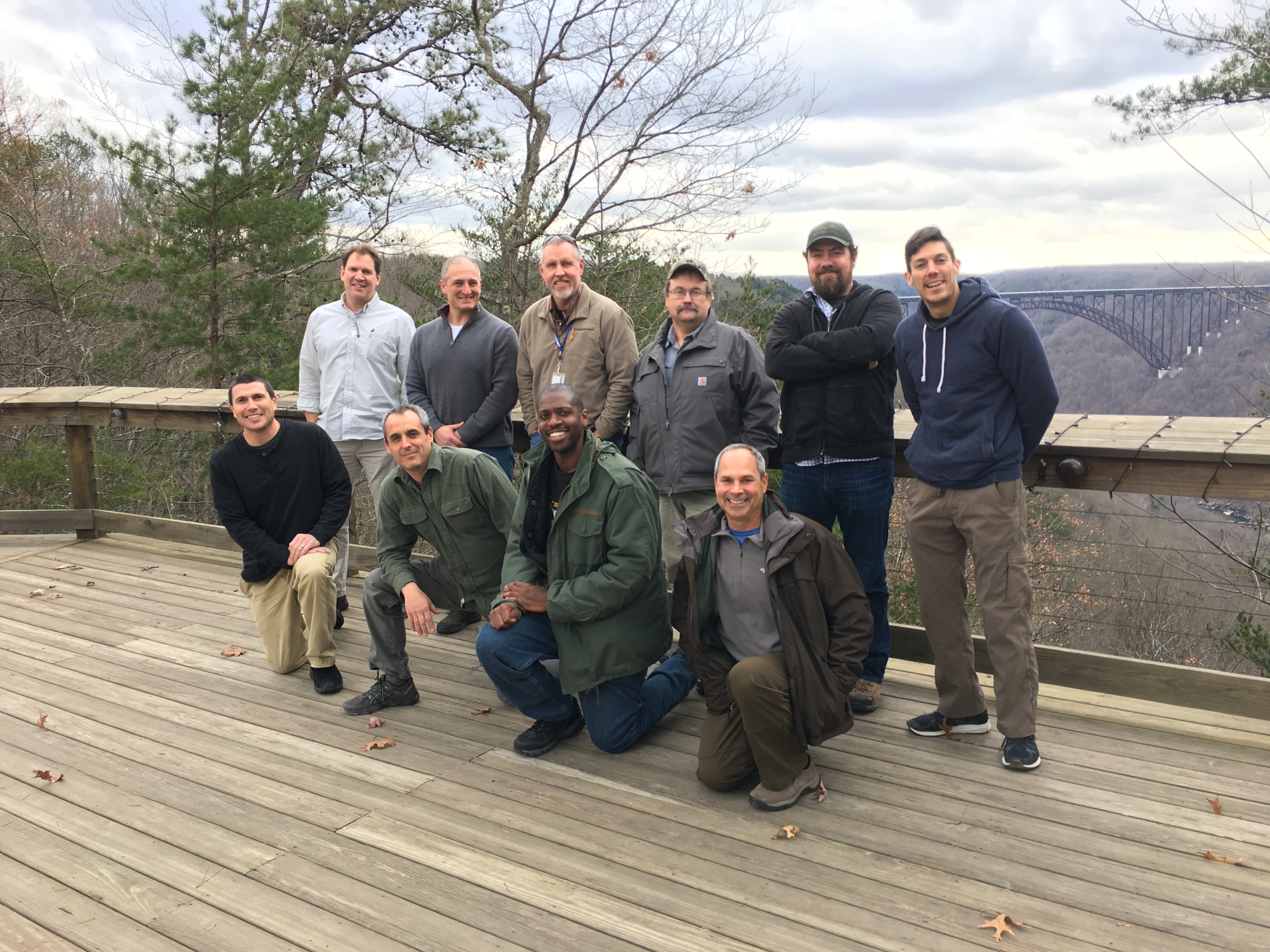
Bottom row (left to right): Joseph Montrella, Brent Means, Omar Beckford, and Charles Cravotta.